
Roblox DevEx is one of the biggest milestones for serious Roblox developers.
It is the moment where Robux stops being only platform currency and starts becoming real-world income.
For many young developers, this is the first time Roblox starts to feel like more than a hobby. It becomes a business decision.
But that is also where many developers make their first serious mistake.
DevEx is often misunderstood. A lot of beginner developers treat it like the finish line. They reach the minimum requirement, cash out as fast as possible, and only later realize they removed the exact budget their game needed to keep growing.
I learned this from experience. I used DevEx between 2020 and 2022, when the system felt very different for smaller development teams. Back then, the required Robux amount felt much harder to reach, especially for young developers and small groups. Compared to that period, Roblox has made DevEx smoother and more accessible for creators today.
That is a positive change.
But easier access also means more developers can cash out before they understand whether they should.
What Roblox DevEx Actually Means
DevEx stands for Developer Exchange. It is Roblox’s official system that allows eligible creators to exchange Earned Robux for real-world money.
The important phrase is Earned Robux.
Not every Robux balance counts toward DevEx. Roblox explains this on its official Earned Robux and DevEx Rates page. Earned Robux usually comes from legitimate creator earnings, such as experience monetization, eligible Marketplace earnings, Creator Store sales, creator rewards, and certain ad or affiliate-related earnings.
Robux from direct purchases, Premium monthly grants, trading, invalid sources, moderated content, or rule-breaking activity may not count.
That means a developer should not only ask:
“How much Robux do I have?”
The better question is:
“How much eligible Earned Robux do I have?”
That distinction matters because DevEx is not just about having a large Robux number. It is about having eligible earnings, a clean account, correct information, and a project that follows Roblox’s rules.
Roblox DevEx Requirements in 2026
According to Roblox’s official DevEx Overview, creators generally need to meet the following requirements:
- At least 30,000 Earned Robux
- A verified email address
- A valid DevEx portal account after Roblox reviews the first request
- Age 13 or older
- A Roblox account in good standing
- Compliance with Roblox’s Terms of Use
Roblox also reviews DevEx requests before approving them. Meeting the minimum Robux requirement does not automatically mean the payout is guaranteed.
This is important because DevEx is not a simple “press button, receive money” system. Roblox reviews whether the account, earnings, identity, and compliance situation meet its requirements.
Roblox DevEx Rate in 2026
For Robux earned on or after September 5, 2025 at 10 AM PT, Roblox lists the newer DevEx rate as:
- $0.0038 per Earned Robux
That means approximately:
- 30,000 Earned Robux = $114 USD
- 100,000 Earned Robux = $380 USD
- 1,000,000 Earned Robux = $3,800 USD
Older eligible Robux earned before that cutoff may still use the previous rate of $0.0035 per Earned Robux until those older balances are cleared.
This is where many developers get surprised.
Players often pay much more to buy Robux than developers receive when exchanging Earned Robux through DevEx. That gap exists because Roblox operates the platform, payment systems, hosting, marketplace infrastructure, discovery systems, moderation systems, and the wider creator economy.
So yes, DevEx can become real income.
But the real-world value of Robux is usually lower than beginners expect.
How DevEx Works After You Submit
Once you submit a DevEx request, Roblox reviews your eligibility.
If your request moves forward and it is your first time using DevEx, Roblox sends an invitation to the DevEx portal. Roblox’s Tax and DevEx Portal information explains that Tipalti is used for payment and tax setup.
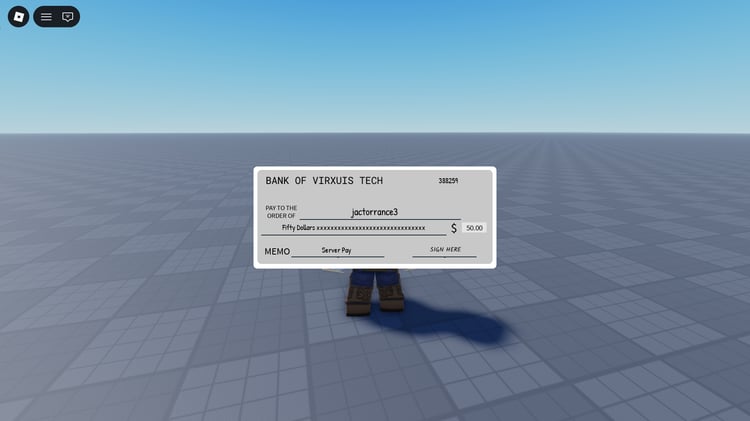
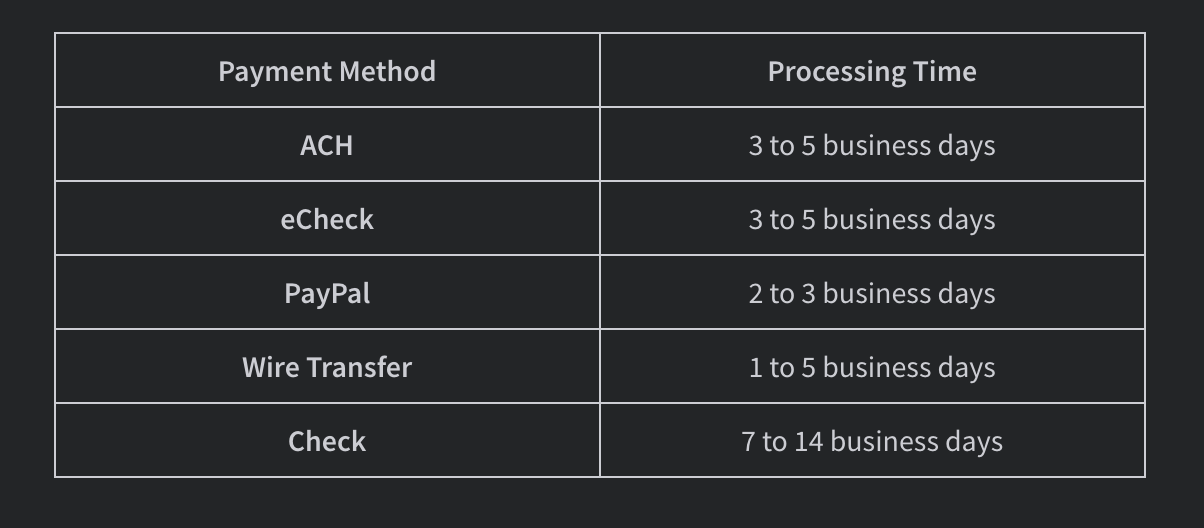
Inside the portal, developers provide payment and tax information. Available payment options can depend on country and eligibility, but Roblox lists methods such as ACH, eCheck, PayPal, wire transfer, and check.
Processing times also depend on payment method and location.
For many developers, this is their first experience dealing with tax forms, legal names, payment processors, and official creator income. That is why it is important to treat DevEx seriously from the beginning.
Leonard Sandberg Insight: I Used DevEx Too Early
When I first used DevEx, I felt a bit scammed at first.
Not because Roblox did anything wrong, but because I quickly realized I had removed money from my own project too early.
The cash-out felt good in the moment. But after that, I understood what it had cost me.
It hurt the game’s ad budget. It reduced the amount of Robux available for development. It made me realize that DevEx is not just a reward system.
It is a strategic business decision.
If you take Robux out before your game has stable growth, you may be removing the fuel that could have paid for advertising, new systems, better maps, developer support, thumbnails, icons, updates, and community growth.
That experience changed how I look at DevEx.
DevEx should not be the first thing a developer thinks about when their game starts earning. Growth should come first. DevEx should come later, when the project can afford money being taken out.
What Kingdoms Way Taught Me About Reinvestment
Before KW Studio, one of my strongest Roblox projects was Kingdoms Way, a medieval Roblox genre hub.
At its peak, the hub itself reached around 3,000 members. But because it connected factions, developers, and roleplay communities, the wider battlefield ecosystem was much larger. In reality, it helped connect a much bigger medieval Roblox community around battles, factions, and development.
Kingdoms Way was different from many small projects because we reinvested aggressively.
Around 95% of the Robux went straight back into the project.
We were not thinking about taking money out early. We were hungry to grow. We wanted better systems, stronger communities, more momentum, better development, and a bigger ecosystem.
That reinvestment mindset helped us learn Roblox development under pressure as young developers.
Looking back, that was one of the best lessons I got from Roblox.
A project grows faster when the people behind it are willing to feed it before extracting from it.
My Personal DevEx Rule for Beginner Developers
My personal guide is simple:
Most developers should not seriously consider DevEx until the cash-out amount is only a small part of their regular revenue.
A rough rule I use is this:
If cashing out would remove your ad budget, update budget, or development budget, you are probably doing it too early.
For many beginner developers, DevEx should not be the first goal.
Growth should be the goal.
DevEx should come after the game already has consistent revenue, retention, and reinvestment capacity.
That is the difference between using DevEx as a reward and using DevEx in a way that damages your own project.
Why Most Beginner Developers Should Not Rush DevEx
The biggest beginner mistake is touching DevEx too early.
Reaching 30,000 Earned Robux is a strong milestone, but it does not automatically mean your game is stable.
- It might mean one update performed well.
- It might mean one monetization push worked.
- It might mean one short traffic spike happened.
- It might mean one trend temporarily helped your game.
That is not the same thing as having a long-term Roblox business.
A beginner developer often follows the same pattern.
They reach the DevEx minimum. They cash out immediately. They lose budget for ads and updates. Their game slows down. Players stop returning. Revenue drops.
That is how DevEx can become a trap.
Not because DevEx is bad.
But because the timing is wrong.
The Better Strategy: Reinvest Before You Extract
The developers who last longer usually think differently.
They do not only ask:
“How fast can I cash out?”
They ask:
“How can I turn this Robux into a stronger game?”
Early Robux can be reinvested into better retention systems, maps, UI improvements, gamepasses, developer products, thumbnails, icons, advertising tests, bug fixes, performance improvements, and stronger update cycles.
One smart reinvestment cycle can create more future income than one early cash-out.
This is especially true if your game is still small.
Small Roblox games need growth capital. Taking that capital out too early can slow everything down.
Which Roblox Games Reach DevEx Faster?
From what I have seen as a Roblox developer and through KW Studio’s marketplace activity, some game types tend to reach monetization milestones faster than others.
Fast-cycle games such as simulators, tycoons, trend-based games, and simple progression games can often reach DevEx faster because they are easier to monetize quickly.
These games usually have clear loops.
Players earn currency, upgrade, unlock, repeat, and sometimes purchase boosts, advantages, or convenience features.
That structure can create faster early revenue.
Community games are different.
Military groups, medieval genres, roleplay communities, faction games, and long-term social experiences can build strong loyalty, but the return on investment is often slower. They usually require more community management, moderation, events, trust, leadership, and long-term structure.
That does not make community games worse.
It just means the DevEx path is different.
- A simulator might monetize quickly.
- A community game might build slower but last longer.
- A tycoon might produce fast early revenue.
- A serious roleplay or faction game may need months of trust before it becomes financially stable.
- Developers need to understand which path they are choosing.
Why Most Roblox Developers Never Reach DevEx
Most Roblox projects fail before DevEx because they do not have a real system behind them.
The problems are usually simple.
- A game has no retention system, so players try it once and never return.
- A game has weak monetization, so even when players enjoy it, there is no clear revenue structure.
- A game has no update rhythm, so the community slowly loses interest.
- A game has a poor first impression, so players leave before they understand the experience.
- A game tries to build too much custom work too early, so the developer spends months building systems before even testing whether the idea works.
That last mistake is extremely common.
Many beginner developers try to build everything from scratch. Sometimes that is good for learning. But if the goal is to launch, test, and monetize a real game, building every basic system manually can waste months.
Sometimes the smarter move is to start with a strong base, test the game loop, and improve from there.
Where KW Studio Fits Into the DevEx Path
KW Studio does not guarantee DevEx.
No Roblox asset marketplace can honestly promise that.
But good assets can change the timeline.
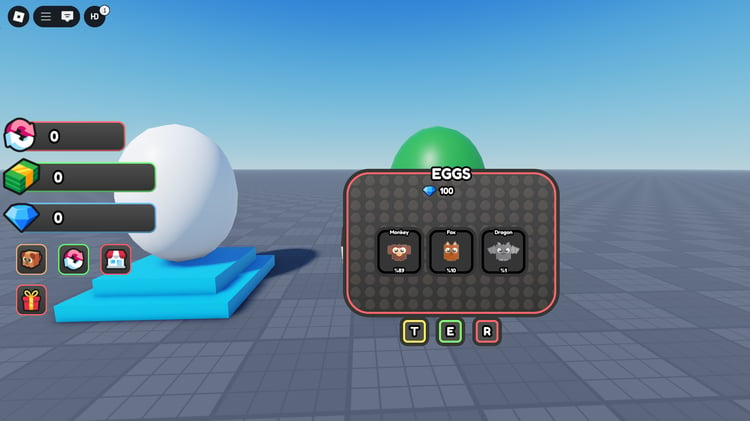
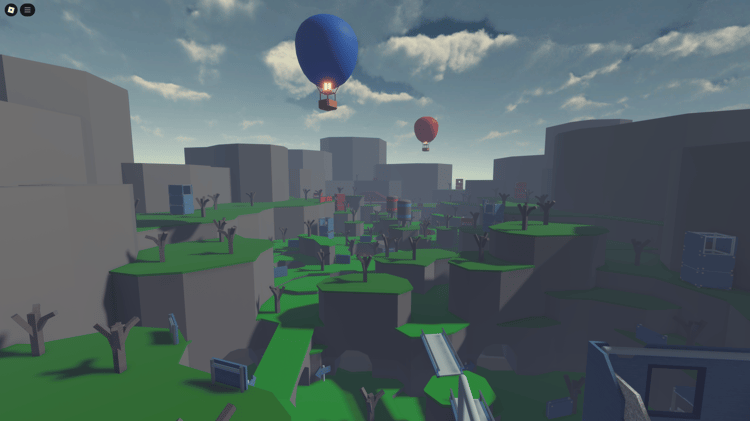
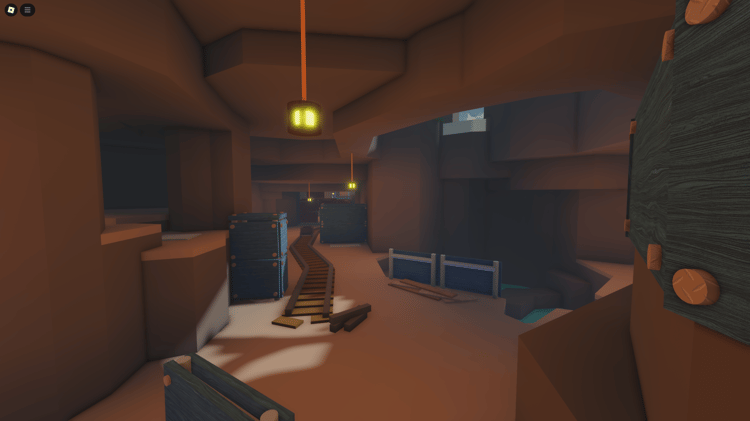
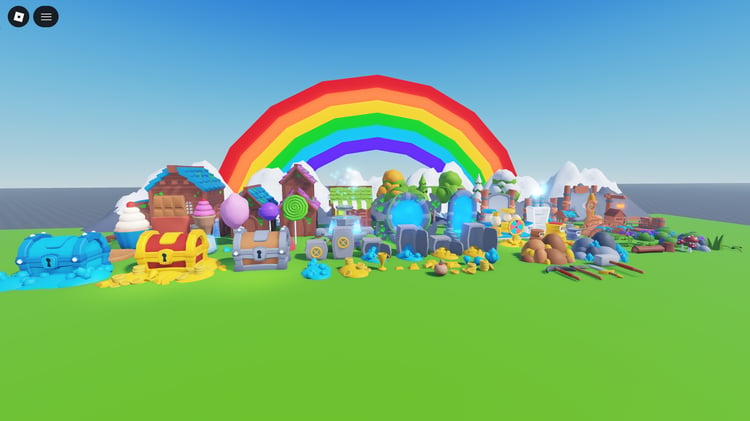
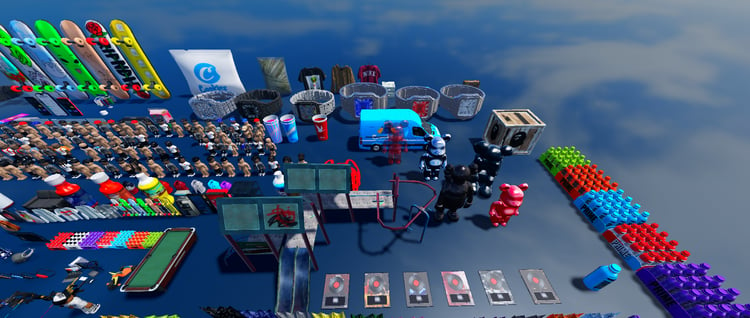
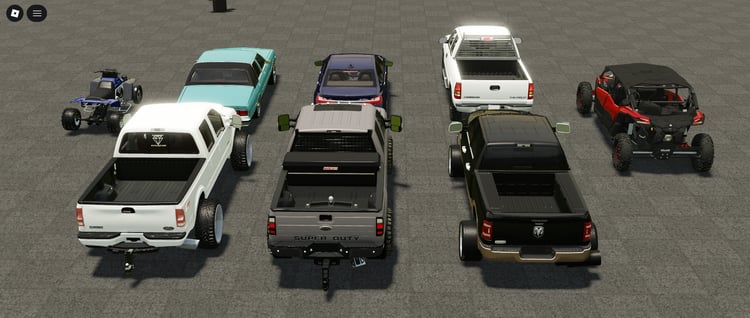
Every day, developers buy simulators, tycoons, maps, systems, vehicles, UI packs, and full templates because they want to skip the slowest setup phase.
In many cases, buying a working base can save weeks of development time and potentially thousands of dollars compared to hiring a custom team for every early feature.
That time matters.
A developer who spends four weeks building a basic tycoon system from scratch has not yet tested the market.
Another developer who starts from a ready-made base can spend those same four weeks improving retention, monetization, thumbnails, map quality, player feedback, updates, and game balance.
That is the practical KW Studio angle.
Free and paid Roblox assets are not shortcuts to guaranteed success. They are tools that help developers move faster, reduce setup friction, and focus earlier on the parts that actually determine whether a game earns.
For DevEx, speed alone is not enough.
But speed combined with testing, retention, monetization, updates, and smart reinvestment can make a serious difference.
Expert Commentary by Leonard Sandberg
“DevEx should not be treated as the finish line. In most cases, it should come after your game already has consistent revenue, retention, and reinvestment capacity.”
Leonard Sandberg, Roblox Developer & Co-Founder of KW Studio
Expert Commentary by Dragan Arsov
“Reaching DevEx is not only about earning Robux once. It is about building something players return to consistently.”
Dragan Arsov, Roblox Developer & Community Specialist at KW Studio
Common DevEx Mistakes
The most common DevEx mistake is cashing out too early.
If DevEx removes your ability to advertise, update, or improve the game, it may hurt more than it helps.
Another mistake is thinking Robux equals cash. Robux value inside Roblox and DevEx payout value are not the same thing. Developers need to understand the exchange rate before making decisions.
Some developers also ignore eligibility rules. Not all Robux counts as Earned Robux. If the Robux came from invalid or non-eligible sources, Roblox may not approve it.
Another common problem is building without retention. A game can earn once and still fail. DevEx becomes much more realistic when players keep returning.
The final mistake is depending on one viral moment.
A short traffic spike is not a business.
A stable update loop, community, and monetization structure are much stronger.
Practical DevEx Strategy for 2026
If you are a Roblox developer trying to reach DevEx in 2026, think in this order.
First, build a game loop players understand quickly.
Then build retention so players return.
Then add monetization that fits the game naturally.
Then reinvest early earnings into updates, ads, assets, systems, and better presentation.
Only after that should DevEx become a serious decision.
The question should not be:
“Can I cash out?”
The better question is:
“Can I cash out without damaging the game?”
If the answer is no, keep building.
Final Takeaway
Roblox DevEx is one of the strongest tools available to Roblox creators.
It turns successful Roblox development into real income.
But DevEx is not the real goal.
The real goal is building a game that earns consistently, retains players, and can survive after you take money out.
In 2026, DevEx is more accessible than it was years ago. That is a good thing for small developers.
But easier access also creates a new risk: developers cashing out too early because the button is finally available.
My advice is simple.
Build first.
Reinvest aggressively.
Create retention.
Improve monetization.
Use assets and systems to save time where it makes sense.
Cash out only when your game can afford it.
That is when DevEx becomes powerful.
Not as a finish line, but as a multiplier.


Official Roblox Sources Used for This Guide
This guide was written using Roblox’s official DevEx documentation, including the Roblox DevEx Overview and Requirements page, the Developer Exchange Help and Information page, the Earned Robux and DevEx Rates page, and Roblox’s Tax and DevEx Portal information.
These sources explain the main DevEx requirements, including the 30,000 Earned Robux minimum, verified email requirement, age requirement, account standing rules, DevEx portal review process, and current DevEx exchange rates. They also explain how Earned Robux is reviewed, how payment and tax setup works through Tipalti, and why DevEx approval is not guaranteed simply because a developer reaches the minimum Robux amount.