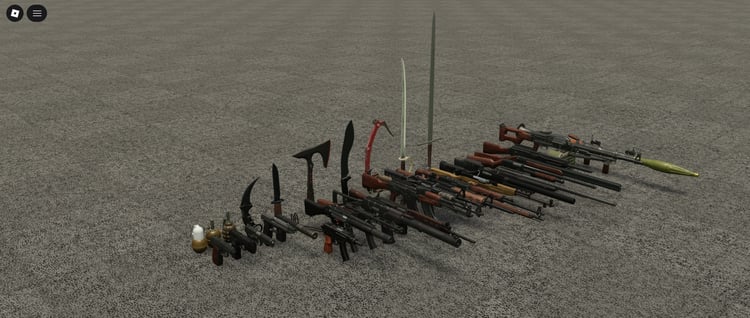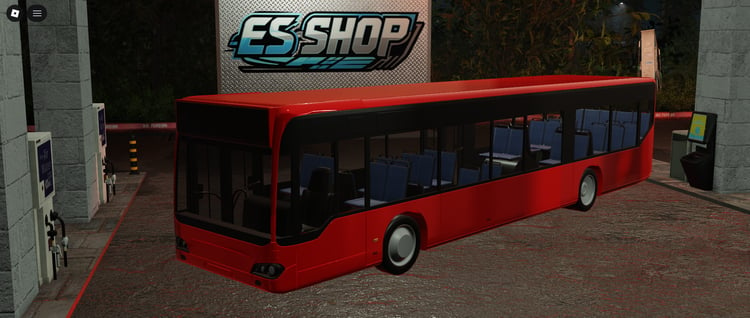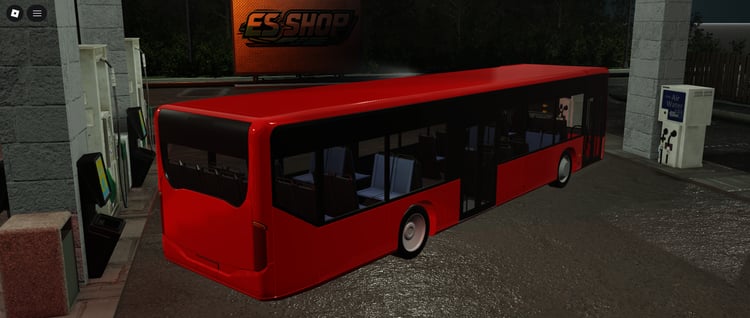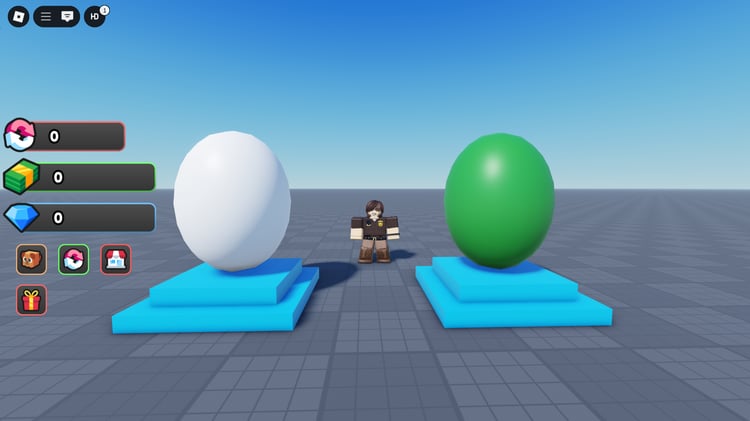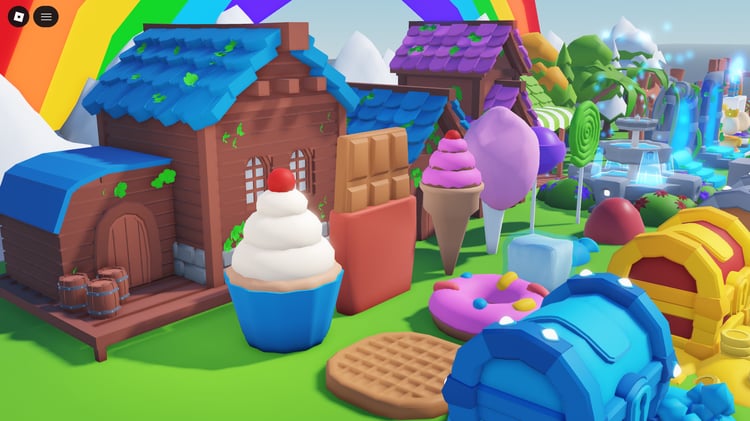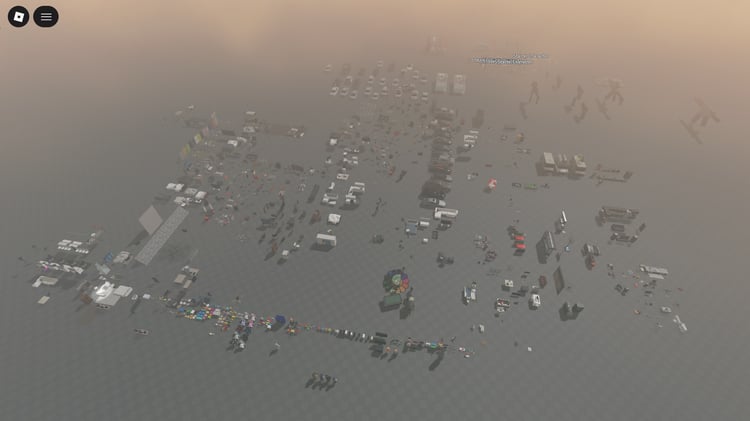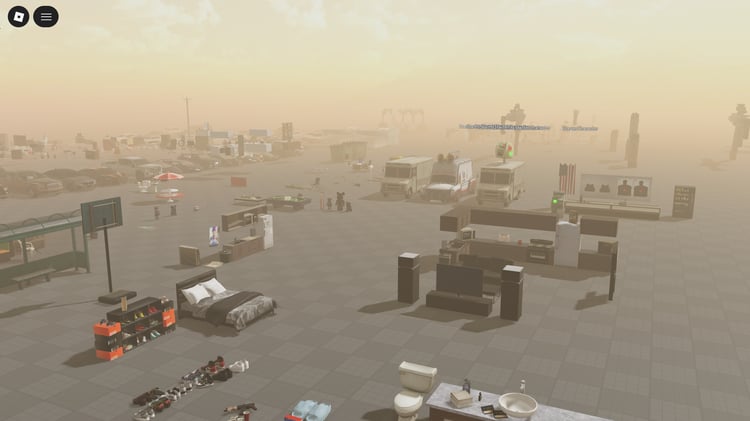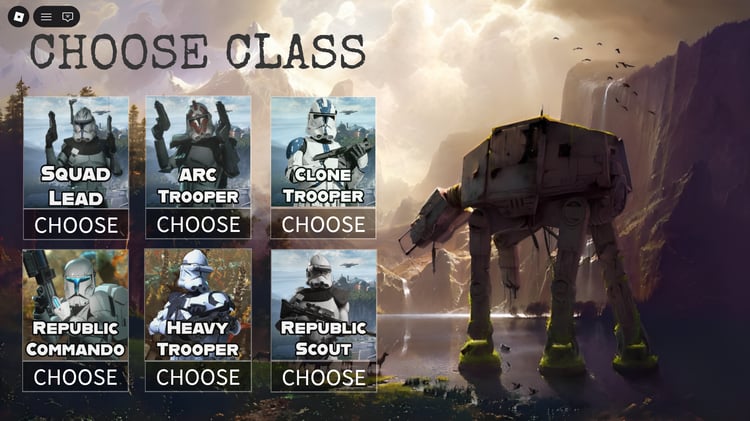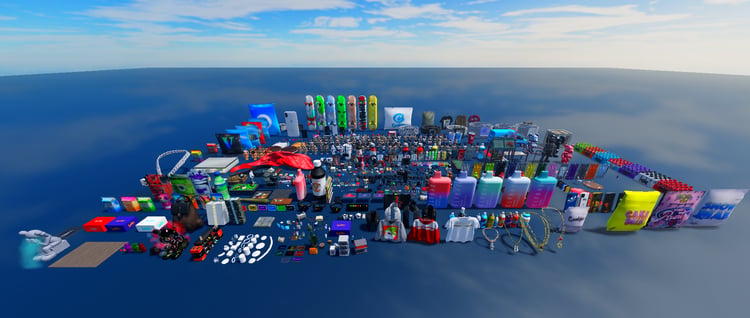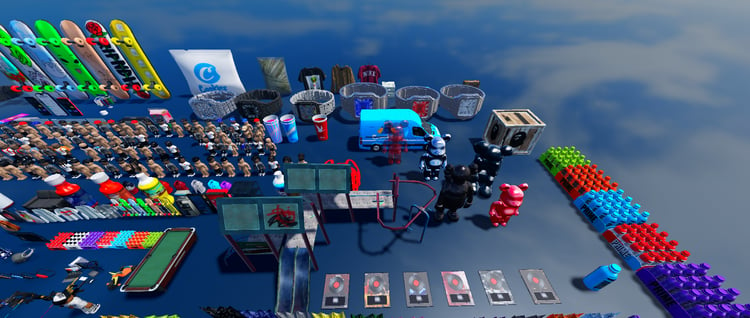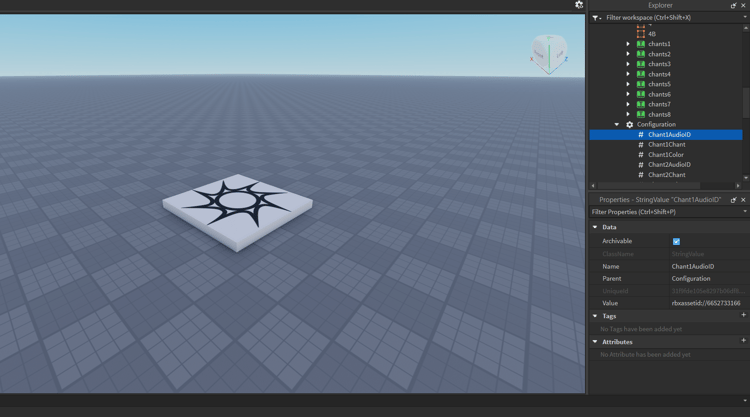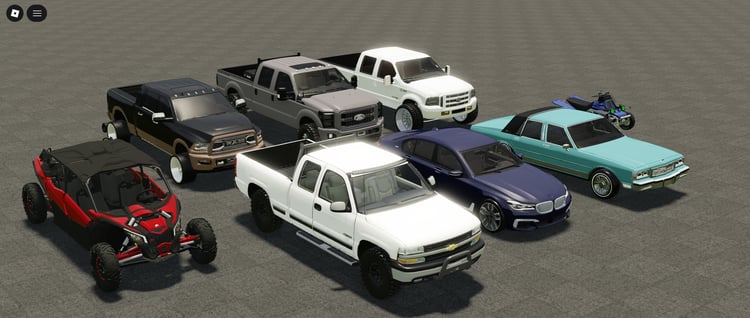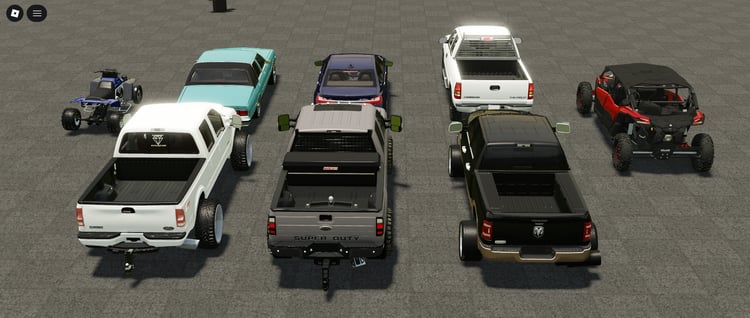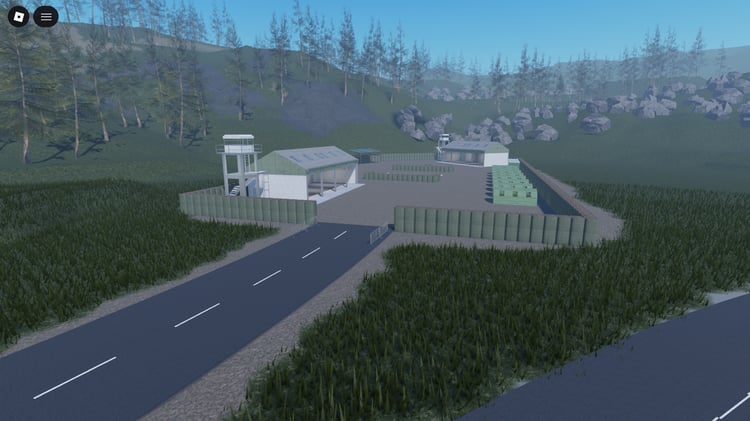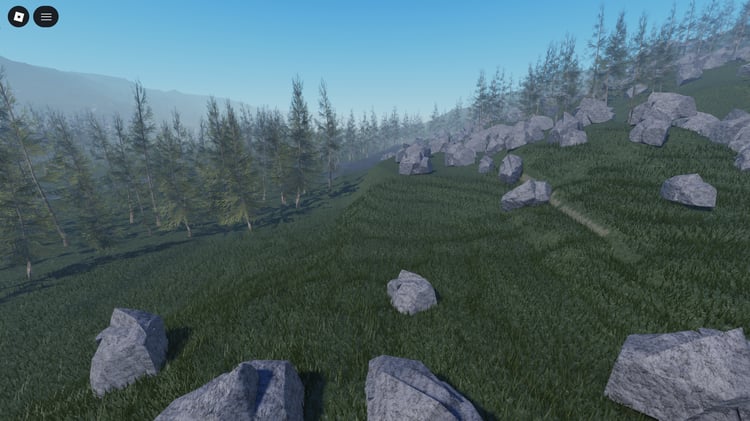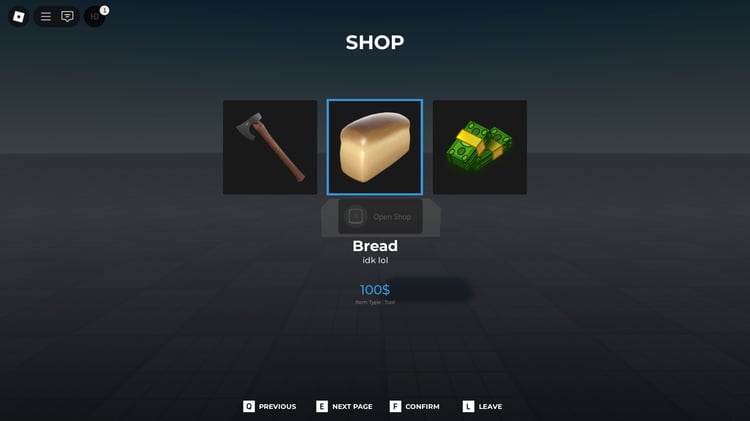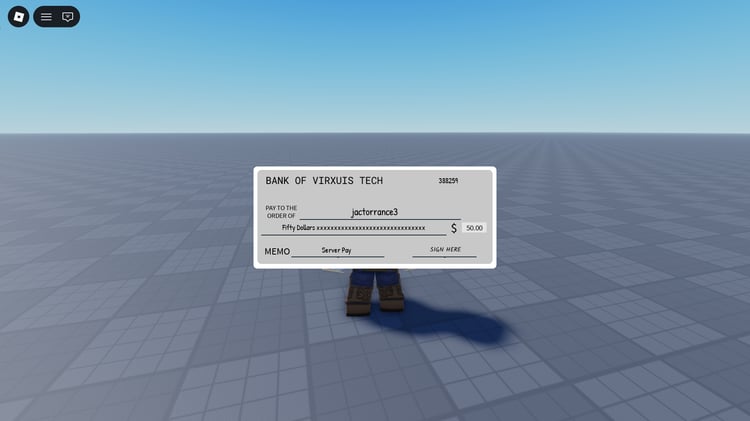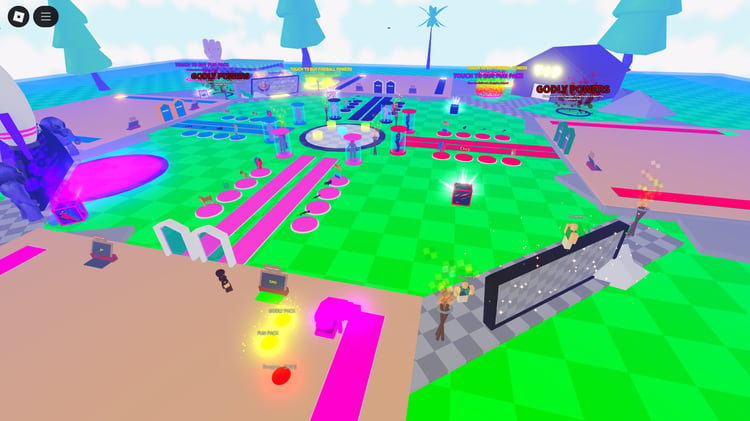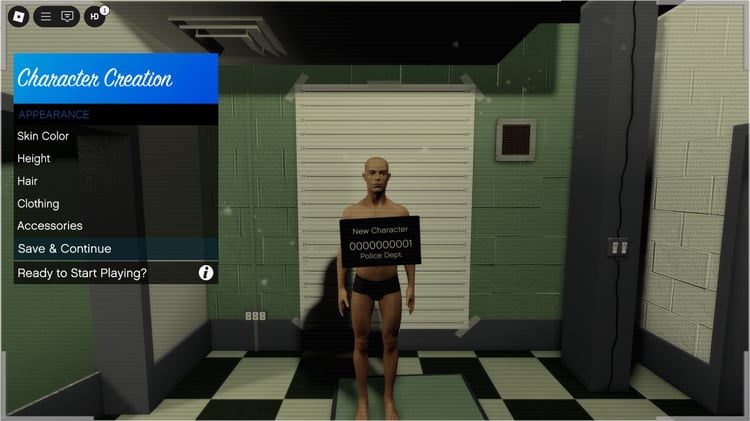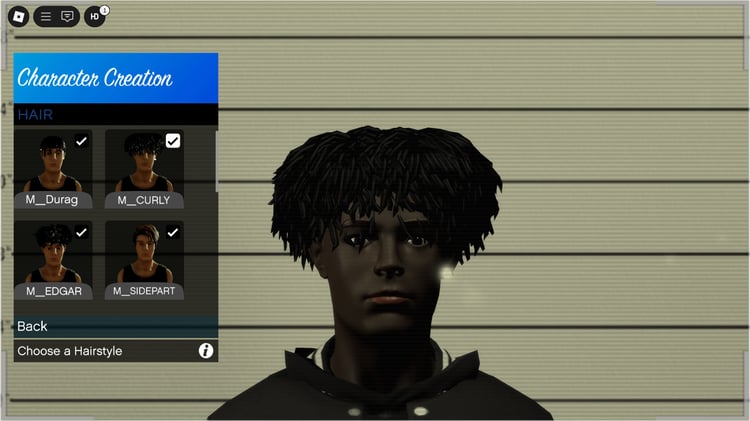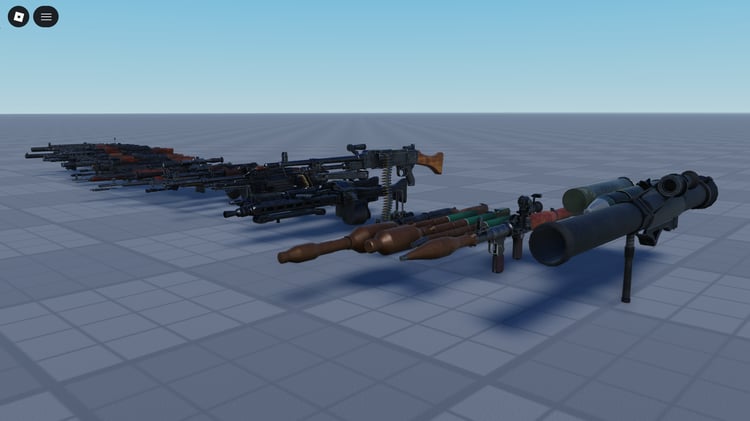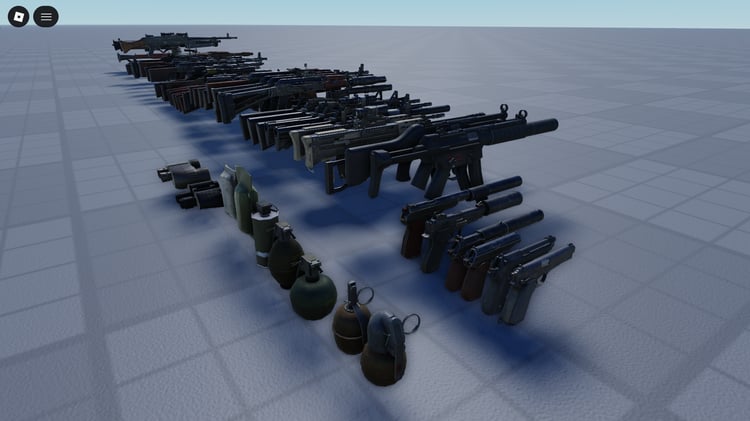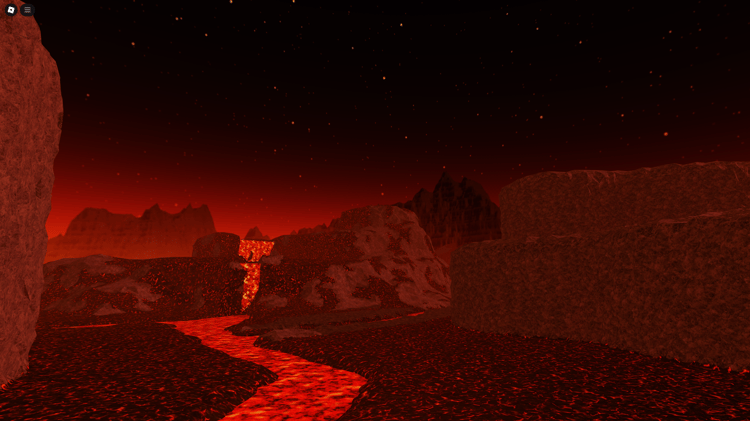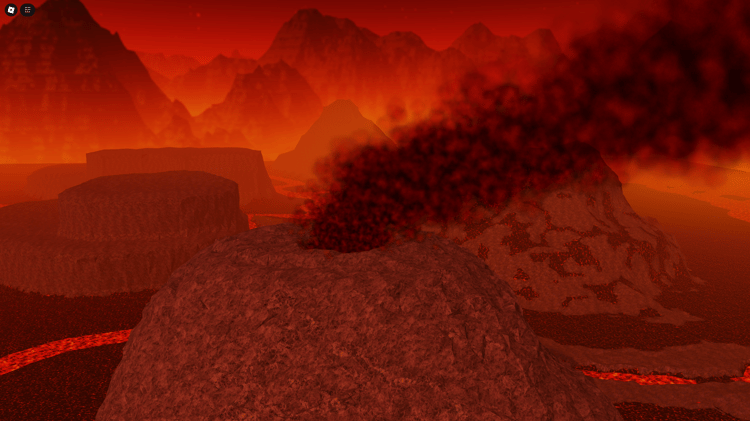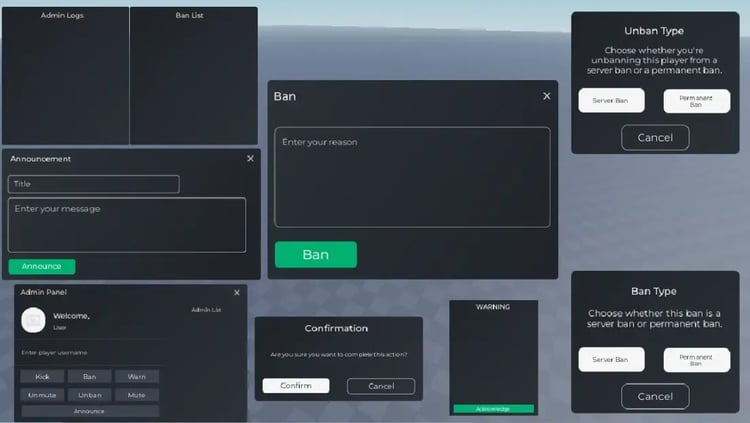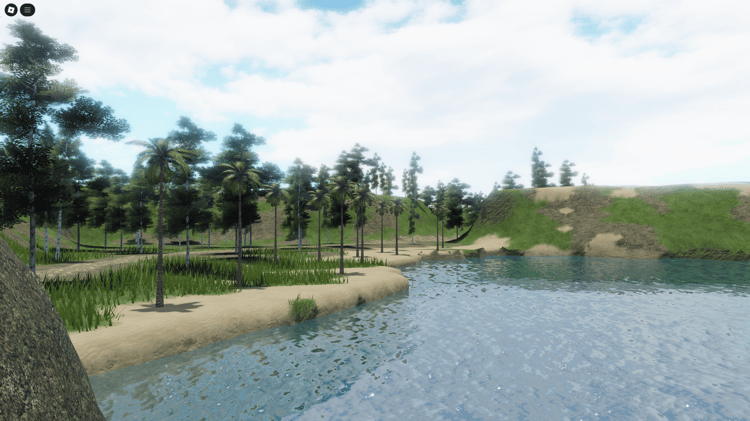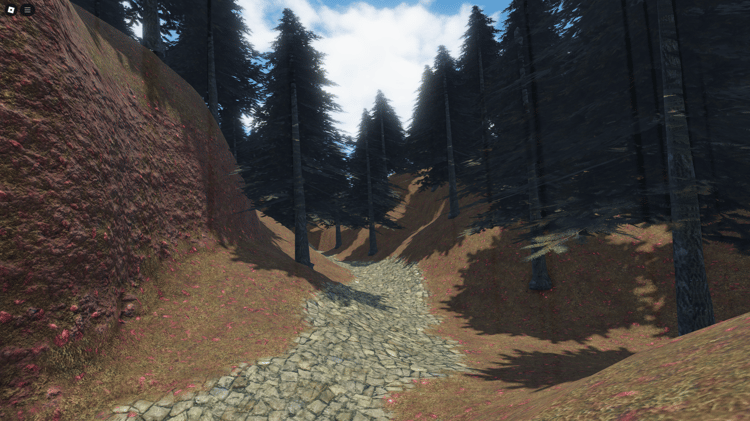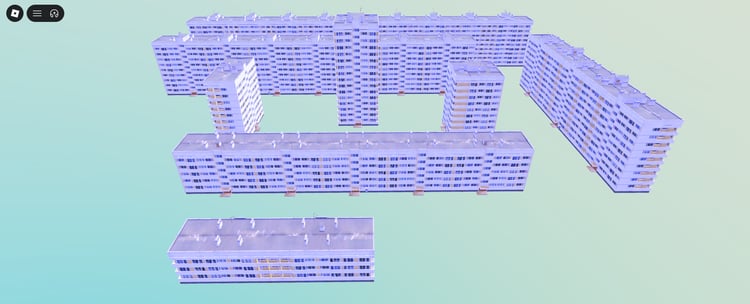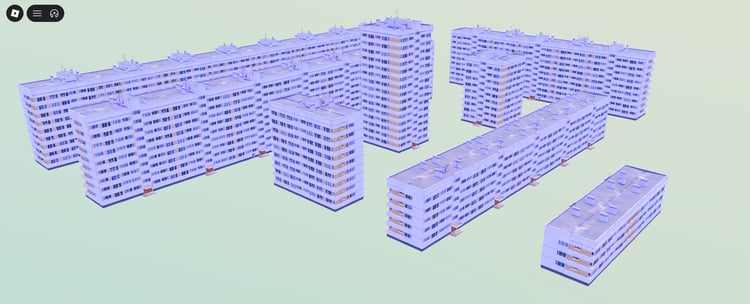

Roblox game templates are becoming more popular because developers are under more pressure than ever to build quickly, test ideas, and compete for player attention. A few years ago, many Roblox creators treated templates and marketplace assets as shortcuts for beginners. In 2026, that view is outdated. Templates, systems, maps, UI kits, and asset packs are now part of how many developers reduce wasted setup time and focus more energy on gameplay, retention, monetization, and polish.
A Roblox game template does not replace development skill. It does not guarantee success. It does not magically create a community, a good economy, or a fun gameplay loop. But a good template can remove repetitive groundwork. It can give a developer a starting point for a simulator, roleplay game, FPS project, survival game, tycoon, obby, military roleplay experience, or complete testing environment.
This is one reason KW Studio has grown as a Roblox asset marketplace. Developers are not only looking for pretty models. They are looking for starting points that help them build faster inside Roblox Studio. KW Studio now offers thousands of Roblox products across maps, complete games, scripted systems, UI, roleplay assets, simulator resources, FPS systems, vehicles, weapon systems, survival assets, free resources, and more. The marketplace has processed over 130,000 total orders including free downloads, showing that developers are actively using asset marketplaces as part of their workflow.
I am Leonard Sandberg, Co-Founder of KW Studio. My own Roblox background started years before KW Studio, including development work from 2019 onward and earlier experience building Roblox communities. KW Studio came from a simple observation: developers constantly need reusable systems, but the market for buying them was fragmented, inconsistent, and often too dependent on private Discord deals.
Templates became popular because they solve a real problem. Roblox developers have ideas faster than they can build them.
The Biggest Benefit Is Speed
Speed is the obvious reason developers use templates. A complete Roblox project can require maps, UI, scripting, saving systems, monetization, team systems, admin tools, vehicles, NPCs, weapons, leaderboards, shops, lobby systems, matchmaking, and dozens of smaller systems that players may never consciously notice but still expect to work.
Building all of that from zero takes time. Even experienced developers repeat the same setup work again and again. They create basic interfaces, datastore patterns, currency systems, reward loops, loading screens, shop GUIs, inventory structures, NPC behavior, and map layouts. Some developers enjoy building everything from scratch. Many do not have the time.
A good game template gives a developer a base. It might not be the final game, but it creates a playable structure. That structure can then be modified, expanded, reskinned, balanced, and improved.
This matters because Roblox success often depends on testing. Developers rarely know with certainty whether an idea will work until players interact with it. A template can help a creator test a concept faster. Instead of spending months building a basic loop before knowing whether the idea has potential, a developer can start closer to the testing stage.
That is not laziness. It is efficient development.
Templates Are Not Only for Beginners
One common misunderstanding is that templates are only useful for beginners. Beginners do benefit from them because templates help them learn structure and see how working projects are assembled. But experienced developers also use ready-made resources for a different reason: opportunity cost.
If a developer already understands scripting, map design, and Roblox Studio, they may still choose to buy a system because their time is better spent elsewhere. A skilled developer might not need to build a basic shop GUI from scratch. They might want to spend that time improving the game’s core loop, testing retention, balancing rewards, or building unique features.
This is common in many development industries. Web developers use frameworks. Game developers use asset packs. App developers use libraries. Roblox developers are no different. Using a good starting point does not make the final product less serious. It can actually make the final product better if the saved time is reinvested into design and polish.
Leevi Peuralahti, KW Studio’s Lead Engineer and Co-Owner, has a technical background that makes this point especially clear. Leevi has 12+ years of Roblox systems experience, 5+ years of JavaScript and full-stack development experience, and 4+ years of cybersecurity experience. He has built advanced Roblox systems, including backend-heavy projects, group-based team loading, rank-based uniform assignment, and systems that required pulling data from Roblox group structures. From his perspective, the issue is not whether a developer uses a template. The issue is whether the template is technically understandable, maintainable, and safe to build on top of.
That is the real standard. A good template should help developers move faster without trapping them inside messy code.
The Difference Between a Good Template and a Bad Template
A bad template looks good in screenshots but creates problems once opened in Roblox Studio. It may have unorganized folders, unreadable scripts, hidden dependencies, poor optimization, unclear setup steps, broken UI scaling, or systems that only work in the seller’s demo environment. It may be marketed as a complete game but lack essential gameplay logic. It may include scripts that are difficult to edit or impossible for a newer developer to understand.
A good template is different. It has a clear purpose. It tells the buyer what is included. It has organized files. It works as a starting point. It is not always perfect, but it should be usable. If it is a map, the buyer should understand whether it includes scripts. If it is a simulator template, the buyer should know whether it includes economy systems, pets, rebirths, datastore, UI, or only a visual shell. If it is a complete game, the page should explain what parts are complete and what still require customization.
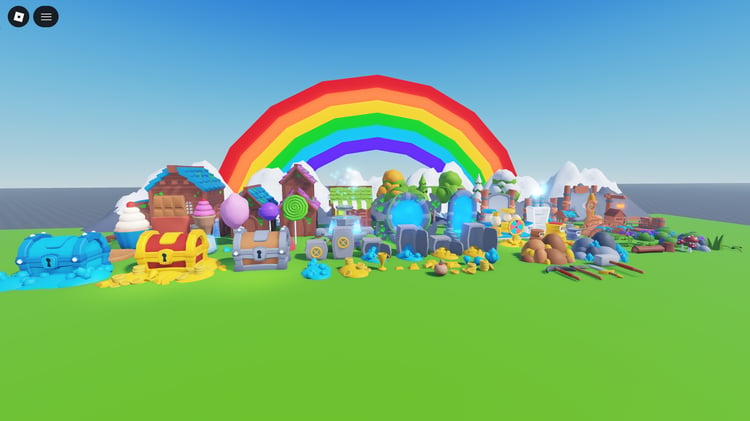
This is one reason KW Studio separates products into categories such as maps, scripted systems, complete games, UI, simulator assets, roleplay assets, FPS systems, weapon systems, vehicles, and free assets. Product type matters because buyer expectations change depending on the category.
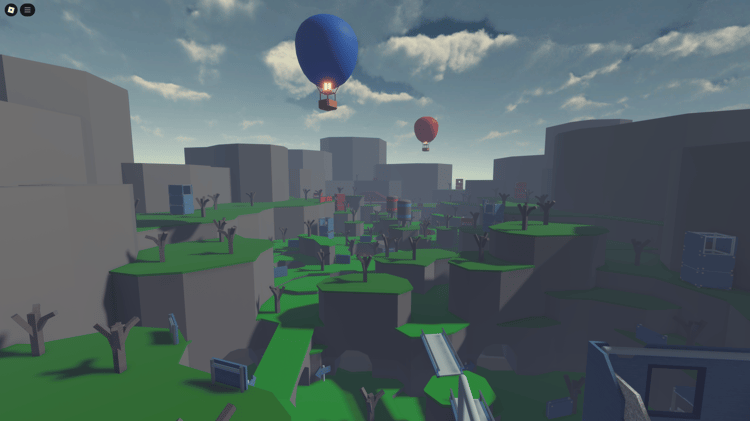
A roleplay map buyer may care about layout, performance, interiors, roads, and mobile optimization. A scripted system buyer cares about functionality and integration. A complete game template buyer cares about the full loop. A UI buyer cares about responsiveness, style, and editability.
Calling everything an “asset” is too vague. Roblox developers need more precise product discovery.
Why Free Templates and Free Assets Matter
Free Roblox assets play a bigger role than many people realize. KW Studio has hundreds of free assets and free products receive significant daily download activity. Free products help developers test the marketplace, learn Roblox Studio, inspect seller quality, and experiment without financial risk.
For new developers, free assets can be the first step into understanding how games are structured. They can open maps, inspect UI, test models, and see how different resources are organized. Even if they never release a project using the free asset, they gain experience.
For sellers, free products can build trust. A seller who gives away a useful free resource may convert future buyers because developers can see the quality of their work before purchasing. This is especially valuable in a marketplace where trust matters.
Free assets also help marketplaces grow. They create activity, search visibility, repeat visits, and buyer confidence. Not every order has to be paid to be useful. A marketplace with healthy free downloads can become a real resource hub, not just a sales page.
At KW Studio, free products are part of the ecosystem. They support beginners, help sellers gain visibility, and let buyers test the platform’s delivery experience before paying for premium assets.
Templates Help Developers Test Game Ideas Faster
Roblox development is not just about building. It is about testing. A developer may have a concept that sounds good in theory but fails once players join. Maybe the map is too large. Maybe the reward loop is too slow. Maybe the UI is confusing. Maybe the gameplay is fun for two minutes but not ten. Maybe players do not understand the objective.
Templates can help developers reach that feedback stage faster. Instead of spending all their time building basic infrastructure, they can begin testing the actual idea. This is especially useful for genres like simulators, roleplay games, survival games, FPS games, and mini games where the basic structure is often familiar but the execution and balancing make the difference.
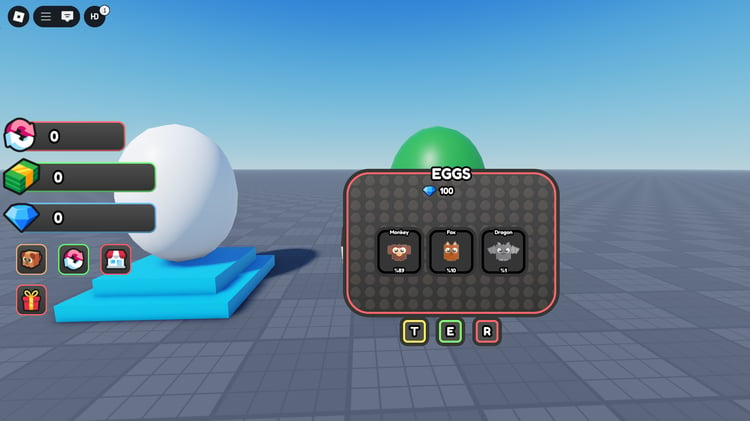
For example, a simulator project may need currency, rewards, upgrades, UI, datastore, rebirths, pets, zones, and monetization. A developer can build all of that from zero, but if the core concept fails, much of that time is lost. A template can reduce the cost of reaching the first playable version.
This does not mean every template should be published as-is. In fact, releasing an unchanged template is often a bad idea. Players notice generic games. The best use of a template is as a foundation. Developers should customize visuals, balance systems, improve progression, add unique mechanics, and test the experience with real players.
A template is a starting point, not a finished identity.
Why Marketplaces Need Higher Standards
As templates become more popular, marketplaces have more responsibility. If a marketplace allows anything to be uploaded without review, buyers eventually lose trust. Low-quality products, unclear descriptions, stolen assets, broken files, and misleading “complete game” claims can damage the entire ecosystem.
KW Studio’s answer is seller review and product moderation. Sellers apply before uploading. Product submissions are reviewed. Ownership proof can be requested depending on product type and risk. Marketplace rules exist to clarify what sellers can and cannot do. Support routes and report systems help buyers raise concerns.
This approach is stricter than a fully open marketplace, and it can slow growth. But it also improves the long-term trust of the platform. A Roblox asset marketplace should not measure success only by how many products it lists. It should measure whether buyers can find products that actually help them.
This is where KW Studio wants to position itself: not as the biggest marketplace by any means necessary, but as a Roblox-first marketplace that cares about trust, seller reputation, and product usefulness.
The Role of Seller Reputation
Templates are easier to trust when sellers build reputation over time. A marketplace should help buyers recognize seller brands, not just individual products. KW Studio has been improving seller collections and seller pages because serious sellers need a public presence.
A good seller profile can show what the seller specializes in. Some sellers focus on roleplay maps. Some focus on systems. Some create military assets. Some build UI. Some create complete games. Over time, buyers can learn which sellers match their needs.
This benefits sellers too. A seller with a strong product catalog should not have to restart reputation from zero on every listing. Their store page, product history, reviews, and public presence should help buyers trust them.
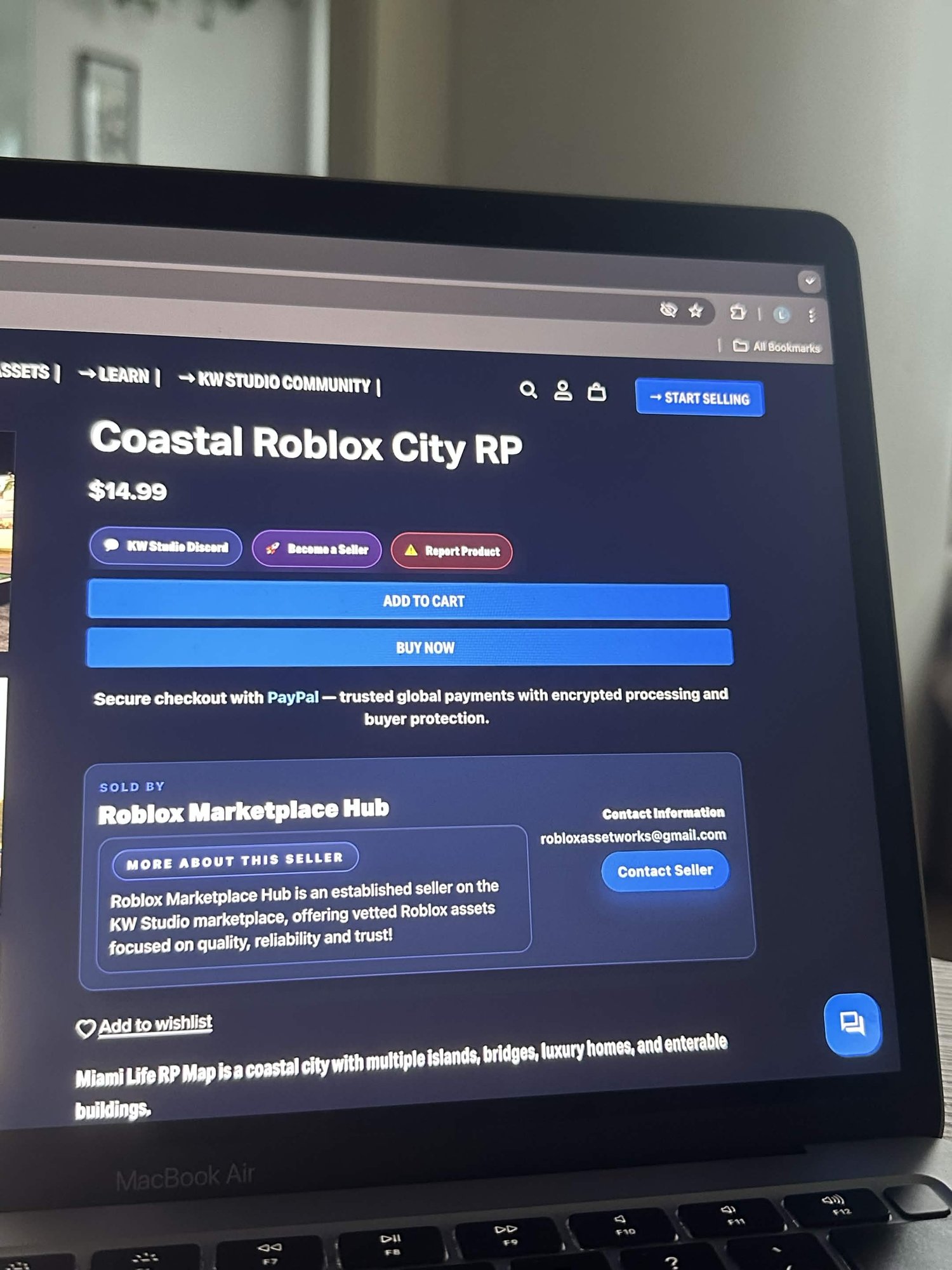
KW Studio’s seller ecosystem includes brands such as ES SHOP, Roblox Marketplace Hub, Pulse, Coal Tech, Castlecraft, Nabi Studio, VoidCrafts Studios, Prduce Studios, RA Maps, NylexTech, and others. As the marketplace grows, seller identity will become even more important.
In 2026, the best Roblox asset marketplaces will not just list products. They will help sellers become recognizable.
Why Templates Will Keep Growing
Roblox templates will keep growing because the platform itself rewards speed, iteration, and content volume. Developers who can test faster often learn faster. Developers who save time on basic systems can spend more time on what makes their game different.
This does not mean every developer should buy everything. Some systems are worth building yourself, especially if they are central to the game’s identity. A combat system, economy, or progression loop may need custom work. But many supporting systems can be bought, adapted, or learned from.
The future is not “templates replacing developers.” The future is developers using better tools, better marketplaces, and better starting points.
A serious Roblox developer still needs judgment. They need to know what to buy, what to build, what to customize, and what to avoid. Marketplaces like KW Studio can help by organizing products, reviewing sellers, and improving trust signals, but the developer’s decision-making still matters.
Final Thoughts
Roblox game templates are popular in 2026 because they solve a real problem: developers need to build faster without wasting time on repetitive setup. Good templates help creators test ideas, learn structure, speed up production, and focus on the parts of the game that actually make it fun.
Bad templates create confusion. Good templates create momentum.
That is why KW Studio exists. We want Roblox developers to have a marketplace where they can find maps, systems, UI, complete games, free resources, and seller collections with more confidence than random private deals. We also want serious sellers to have a place where quality and proof matter.
The best Roblox projects will still require creativity, testing, and development skill. But in 2026, starting from a reliable template is not a weakness. Used correctly, it is one of the smartest ways to build faster.