
Selling Roblox assets in 2026 is a real opportunity, but it is not as simple as uploading a file and waiting for money. The market is more competitive, buyers are more careful, and marketplaces are becoming more professional. A seller who wants consistent results needs more than a good-looking screenshot. They need proof, clear product pages, reliable delivery, support readiness, and a reputation that buyers can trust.
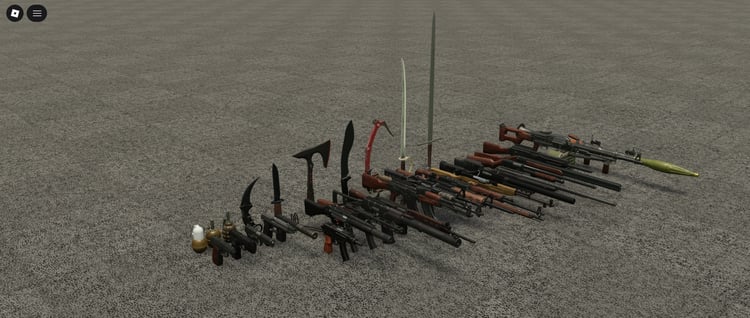
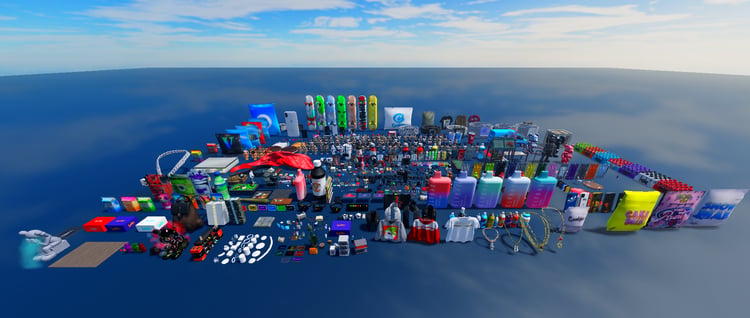
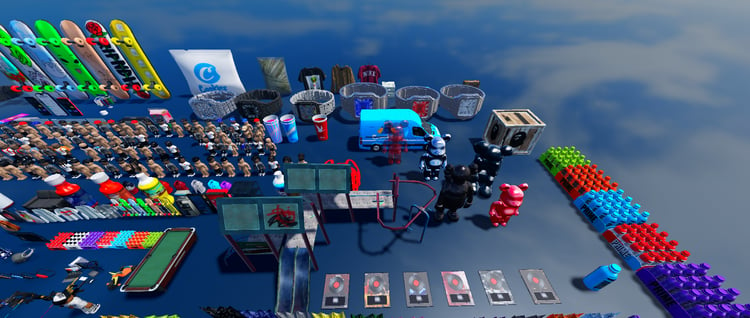
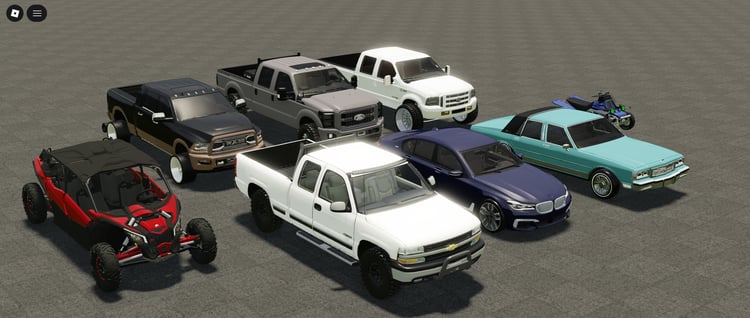
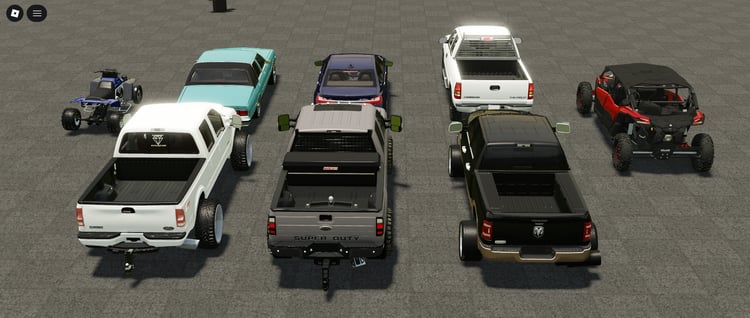
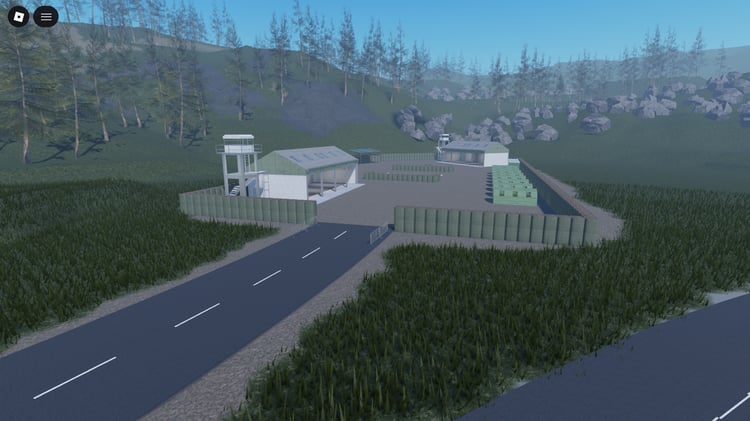
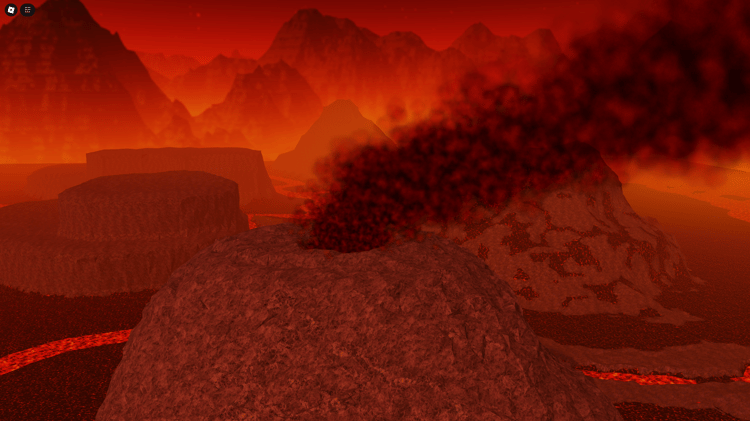
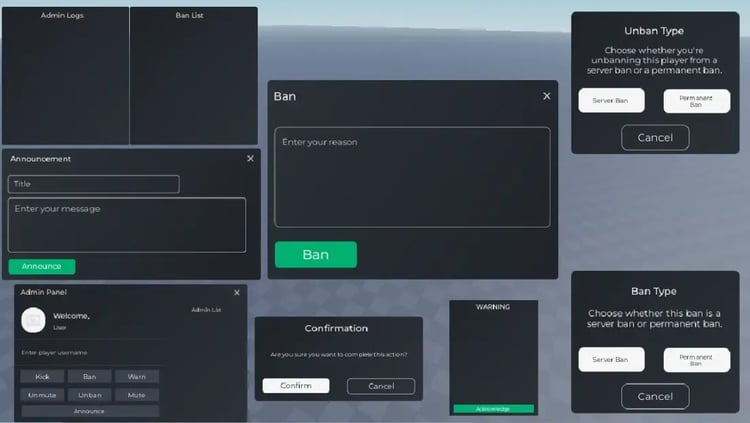
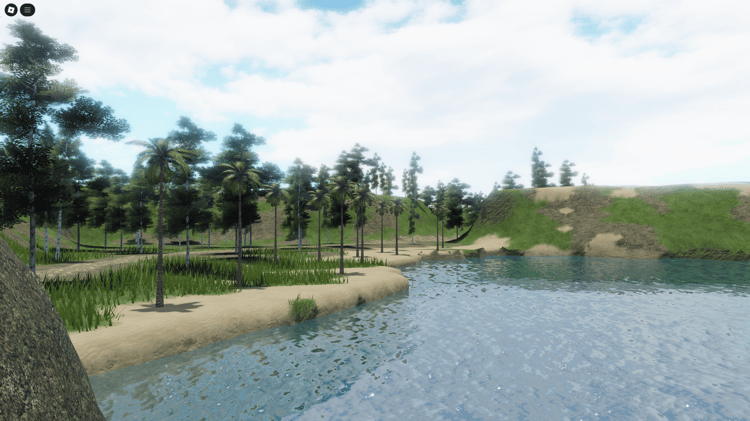
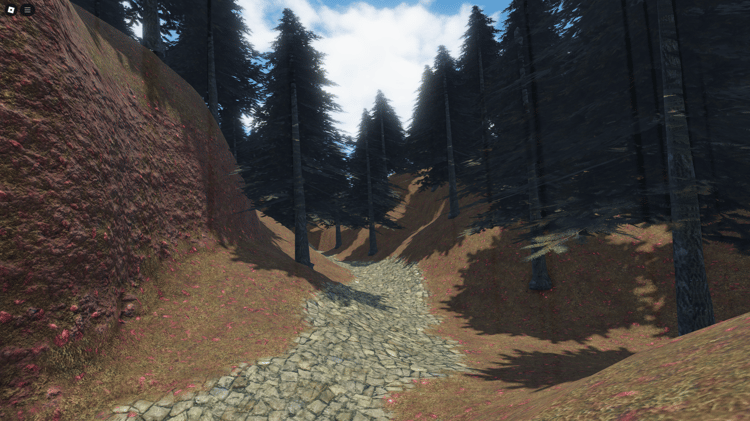
Roblox developers buy many different types of assets: maps, UI kits, scripted systems, complete game templates, vehicles, models, weapon systems, simulator frameworks, roleplay assets, admin panels, datastore systems, NPC systems, and more. That demand is real because developers want to save time and build faster. But buyers also know the risks. They have seen stolen assets, broken scripts, vague descriptions, misleading “complete game” claims, and private sellers who disappear after payment.
That is why selling Roblox assets properly requires a marketplace mindset.
I am Leonard Sandberg, Co-Founder of KW Studio, a Roblox asset marketplace built to help developers buy and sell Roblox resources with more structure. KW Studio has grown to thousands of products, over 130,000 total orders including free downloads, tens of thousands of developers who have ordered or downloaded assets, and a Discord community of over 16,700 members. But the most important part of our growth is not only the numbers. It is what we have learned from reviewing sellers, handling buyer expectations, organizing categories, and building trust around digital products.
The sellers who do best are usually not the ones who upload the most random products. They are the ones who understand buyer confidence.
Serious Sellers Need to Think Like Buyers
The first mistake many sellers make is thinking only from their own perspective. They know what the product does, so they assume the buyer will understand it too. That is not how digital product sales work.
A buyer sees a title, screenshots, price, description, seller name, and maybe a few tags. They do not know the seller personally. They do not know the development history. They do not know whether the scripts are clean. They do not know whether the product includes everything shown in the images. They do not know whether setup will take five minutes or five hours.
The seller’s job is to reduce that uncertainty.
A strong Roblox asset page should explain what the product is, what it includes, what it does not include, what skill level is expected, and what the buyer receives after purchase. If it is a map, say whether scripts are included. If it is a scripted system, describe the main functions. If it is a complete game template, explain what parts are complete and what still require customization. If it is a UI kit, say whether it is scripted, responsive, editable, or only visual.
This kind of clarity does not reduce sales. It improves buyer trust. A buyer who understands exactly what they are purchasing is less likely to complain, refund, or feel misled.
At KW Studio, product clarity is one of the areas we care about because unclear expectations cause many marketplace problems. A product does not have to be perfect, but it has to be honestly presented.
Ownership Proof Is Becoming More Important
The Roblox asset market has an ownership problem. Buyers cannot always tell whether a seller created the product, modified it legally, purchased rights, or copied it from another creator. Sellers who are serious should expect more marketplaces to ask for proof.
KW Studio uses seller applications and product review to reduce low-quality or suspicious uploads. Depending on the product type and risk level, sellers may be asked to provide ownership proof such as screenshots, development videos, Roblox links, mesh ownership details, source evidence, or other supporting information. This process is not meant to annoy legitimate sellers. It protects them.
A marketplace that does not care about ownership can become dangerous for everyone. Buyers lose confidence. Good sellers get placed next to suspicious products. The marketplace reputation drops. Eventually, serious creators leave because they do not want their work associated with stolen or low-effort listings.
For sellers, the lesson is simple: keep proof of your work. Save development screenshots. Keep original files. Record short product videos. Keep links to Roblox places, groups, assets, meshes, or development evidence. If you work with a team, make sure you understand who owns the final product and whether it can be sold.
This is especially important for complete games, maps, vehicles, weapon systems, and model packs. Visual assets are easier to copy and harder for buyers to verify. Serious sellers should be prepared to show that their products are legitimate.
The Best Sellers Build a Brand, Not Just Listings
A single product can sell. A seller brand can last.
One reason KW Studio has been improving seller pages and seller collections is that buyers need to recognize who they are buying from. A seller with a consistent catalog, clear branding, and reliable product quality becomes easier to trust over time.
This matters in Roblox because asset categories are specialized. A buyer looking for emergency roleplay maps may return to the same seller if the first product was good. A developer buying FPS systems may want to see whether the seller has other combat-related products. A buyer who downloads a useful free asset may later purchase a premium product from the same creator.
Seller reputation compounds.
A good seller page should explain what the seller creates, what genres they focus on, how buyers can contact them if needed, and why their products are useful. It should not be filled with generic claims. “High quality assets” is not enough. Buyers want specifics. Do you make roleplay maps? Simulator systems? Military vehicles? UI kits? Complete games? Admin panels? NPC systems? Marketplace buyers need to understand your specialty quickly.
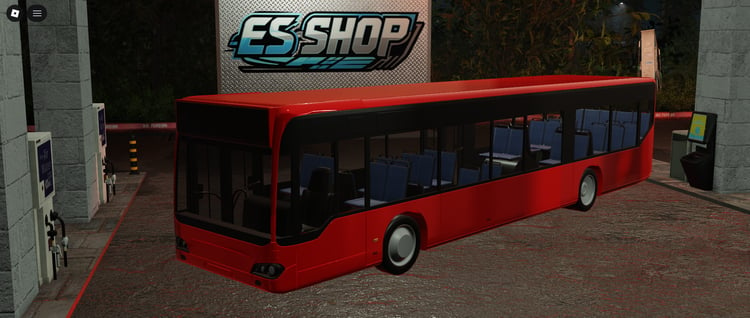
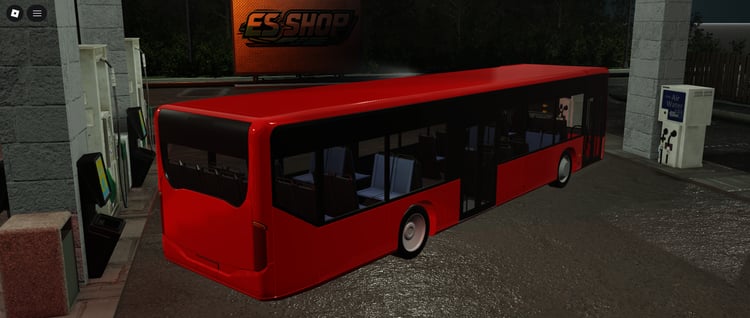
KW Studio’s seller ecosystem includes creators and brands such as ES SHOP, Roblox Marketplace Hub, Pulse, Coal Tech, Castlecraft, Nabi Studio, VoidCrafts Studios, Prduce Studios, RA Maps, Fallen Studios, NylexTech, Autoverse Hub, Poly Heaven, Frostbyte Studios, Light Tech, DEVMIMII STUDIOS, Aatos Studios, Lucky Productions, Fortium Industries, FoxTech, and others. This variety is valuable because buyers do not all need the same thing. A marketplace becomes stronger when sellers have recognizable niches.
Pricing Should Match Value, Not Ego
Many sellers struggle with pricing. Some underprice because they want quick sales. Others overprice because they overestimate how buyers view the product. The right price depends on usefulness, completeness, quality, category, documentation, uniqueness, and buyer demand.
A simple model pack should not be priced like a full scripted game. A large optimized city map should not be priced like a small prop pack. A complete simulator template with functioning systems can justify a higher price than a visual-only map. A well-documented framework can justify more than a messy system even if both technically “work.”
Sellers should think about the buyer’s time. If your product saves a serious developer 10 hours, the value may be much higher than the file itself. But you have to prove that value through the product page. Show what is included. Explain use cases. Add screenshots. Add videos when possible. Mention setup requirements. Make the product feel understandable.
At the same time, sellers should avoid exaggerated claims. Do not call something a “complete game” if it is only a map with a few scripts. Do not promise revenue. Do not imply a buyer will become successful just by purchasing the asset. Buyers may be new, but they are not stupid. Misleading claims damage your reputation.
A good product page sells through clarity.
Technical Quality Matters More Than Screenshots
Screenshots get attention, but technical quality keeps buyers satisfied.
Leevi Peuralahti, KW Studio’s Lead Engineer and Co-Owner, has a strong background in Roblox systems, full-stack development, and cybersecurity. He has worked with advanced Roblox architecture, backend logic, group-based systems, rank-based uniform workflows, and exploit-prevention thinking. One of the biggest issues he sees in Roblox assets is not lack of creativity. It is poor structure.
Bad scripting creates long-term problems. A product can look impressive in a short demo but become painful once the buyer tries to edit it. Scripts may be scattered, variables may be unclear, dependencies may be hidden, and systems may break when moved into another game.
Serious sellers should make their products easier to understand. That does not mean every buyer needs full documentation for a small asset. But the structure should make sense. Folders should be organized. Scripts should not be intentionally obfuscated unless there is a clear reason. Setup steps should be explained. If a system requires configuration, tell the buyer where to configure it.
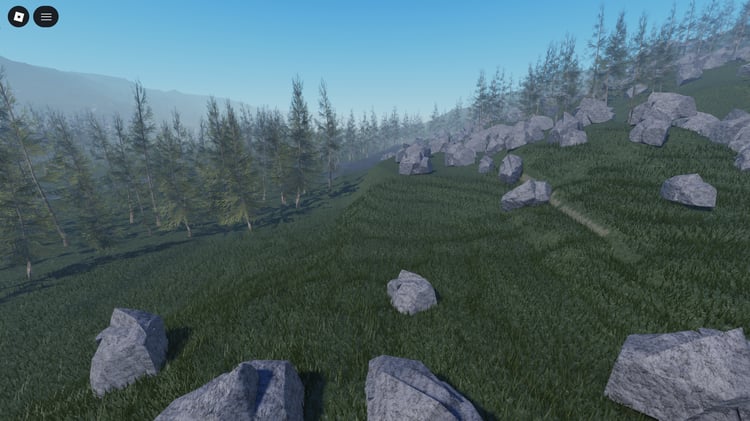
Optimization also matters. Large maps should be built with performance in mind. UI should scale properly. Systems should avoid unnecessary loops or inefficient logic. Vehicles, NPCs, weapons, and datastore systems should be tested beyond a single perfect demo.
Buyers may not always know the technical details before purchase, but they will feel the difference after opening the product.
Free Products Can Build Seller Trust
Some sellers see free products as wasted work. That is the wrong way to think about it.
A good free product can be a trust signal. It lets buyers test your style, delivery quality, organization, and usefulness without risk. If the free product is helpful, buyers may check your paid catalog. If the free product is messy, buyers will assume your paid products may also be messy.
KW Studio has seen strong activity around free assets because developers like testing resources before committing money. Free downloads help beginners learn, help sellers gain exposure, and help the marketplace become a resource hub rather than only a checkout page.
A seller does not need to give away their best work for free. But offering a useful sample can help build credibility. For example, a map seller might offer a small free interior. A UI seller might offer a simple free menu. A systems seller might offer a lightweight utility script. The free product should still be good enough to represent the seller’s standard.
Low-quality free products can hurt a seller more than help. A free asset is still part of your brand.
Support Is Part of Selling
Some sellers think their job ends when the file is delivered. In digital marketplaces, that is rarely true.
Buyers may have questions. They may not understand setup. They may experience an issue. They may need clarification about what is included. They may contact support because they cannot reach the seller. A serious seller should be prepared for reasonable post-purchase communication.
This does not mean sellers must provide unlimited custom development for every buyer. It does not mean a $5 asset includes hours of private tutoring. But it does mean sellers should respond professionally to legitimate issues, fix real product problems, and make setup information as clear as possible.
KW Studio is improving buyer support routes and seller contact options because marketplace trust depends on what happens after purchase. Buyers remember whether the platform and seller helped when something went wrong.
Support also protects sellers. If a buyer misunderstands a product, clear documentation can prevent unfair complaints. If a product has a real bug, fixing it can improve reviews and reduce disputes. If a marketplace has good support systems, sellers do not have to handle every situation alone.
Choosing the Right Marketplace
Roblox sellers in 2026 have several options. They can sell through private Discord channels, personal Payhip stores, broad marketplaces like BuiltByBit, dedicated Roblox platforms like ClearlyDev, or curated Roblox-first marketplaces like KW Studio.
Each option has tradeoffs.
Private selling gives control but low structure. Personal stores give independence but require the seller to drive all traffic. Large marketplaces provide scale but can be competitive. Roblox-focused marketplaces provide targeted buyers but vary in moderation and quality. Curated marketplaces may be stricter but can create stronger trust.
KW Studio is best suited for sellers who want to build reputation inside a Roblox-first environment and can pass a more serious review process. It may not be the easiest place for low-effort uploading, and it is not the cheapest if a seller only compares fee percentages. KW Studio uses a 10% platform fee and a 20% marketing reinvestment fee, which means sellers should think carefully about whether they value marketplace visibility, trust, category discovery, and long-term platform growth.
For serious sellers with strong products, that tradeoff can make sense. A lower fee does not help if the product gets no visibility. A stricter marketplace can be better if it helps buyers trust the catalog.
The best marketplace depends on the seller’s goals. But the direction of the industry is clear: serious sellers need more than files. They need trust, presentation, proof, and buyer confidence.
Final Thoughts
Selling Roblox assets in 2026 is a real business opportunity for creators who treat it professionally. The market needs maps, systems, UI, game templates, vehicles, models, and development tools. But buyers are becoming more careful, and marketplaces are becoming more structured.
The sellers who win will not only be the ones with the most uploads. They will be the ones with clear product pages, real proof, organized files, reliable delivery, useful support, and recognizable brands.
KW Studio was built for that kind of seller. We want buyers to feel safer, and we want legitimate sellers to have a marketplace where their work can be discovered without being mixed into random, unverified asset trading.
Roblox asset selling is no longer just a side hustle inside private Discord chats. It is becoming a real marketplace category. The creators who understand that shift early will have the strongest advantage.